0
This is the number of work days lost to strikes in 2022 by all those who were called out on strike by their union.
Why Do Unions Strike?
- When a contract comes back from the negotiating table, employees are generally given only two options by the union:
- Accept the contract in whatever form negotiated by the union, or
- Reject the contract and vote to strike
- If the union votes to strike, the union forces the employees to stop working, hoping to pressure the company into agreement.
But, there's more to the story:
When a union begins to negotiate with a company, the only bargaining chips it brings to the table are the threat of strike, and the current pay and benefits of the workforce
- Sometimes a union uses a strike as a hammer against its own members to pressure the employees to accept a contract that contains everything the union wanted, but very little of what the employees were told they could expect
- Often, a union member’s only option is to support a contract he or she doesn’t like in order to avoid having to go out on strike
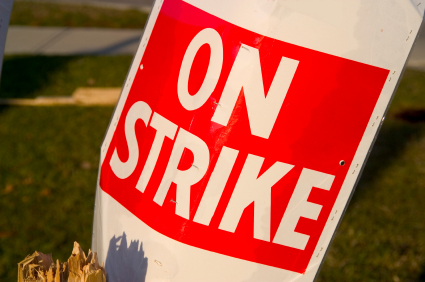
What does the union really use the strike threat for?
0