How Might a Union Change How It Feels to Work Here?
When a union gets involved, it can create an “us versus them” feeling between workers and bosses, which might make it harder for everyone to work together as a team. Once voted in, a union has to continually justify its existence to the members. The best way to do this is to create friction between the workers and management, so the workers feel like they need to union to “protect” them.
Questions you should ask about how a union might change the company culture:
- Will having a union make it more enjoyable to work here, or less?
- How will additional rules and red tape impact my work day?
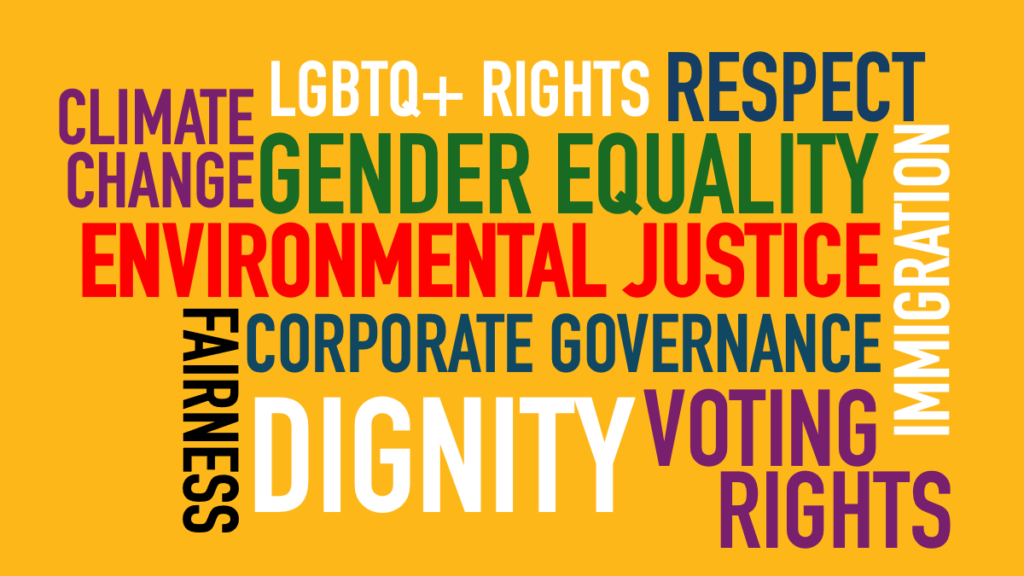
- Can a union really change some of the things about my workplace that I’m concerned about, like social issues?
- Am I ok that my individual merit is no longer as much a consideration for advancement, vacation schedule treatment and pay increases as simply how long I’ve been here?
Things you should know:
- Topics like social justice, the environment, who the company does business with are not likely to be addressed by the union, because no one can be forced to include them in collective bargaining.
- Union constitutions and bylaws, a possible contract, and new procedures add more rules and red tape, potentially reducing individual flexibility at work.
- Rigid job classifications, lengthy grievance procedures and restrictions on operational changes and efficiency improvements could restrict the company’s flexibility, making it less competitive in the market. This could threaten long-term job security.
Having a union might make the workplace more divided, more rule-focused, and less flexible instead of creating a friendlier, more cooperative place to work.